






Smart thermostats with heat pump technology offer up to 15% energy savings compared to tank water heaters in Albany, NY. Heat pumps provide space heating and hot water efficiently (300%) and are reliable year-round. They reduce carbon emissions, lower energy costs, and are more accessible due to technological advancements. Compared to tankless water heaters, heat pumps save up to 50% on energy, while tankless heaters offer 40% savings with on-demand hot water. Choosing between them depends on climate, household needs, and installation costs. Heat pumps size dynamically for efficiency, whereas tankless heaters maintain constant temperatures. Proper maintenance ensures reliable performance of both systems in Albany homes.
In the ever-evolving landscape of home energy efficiency, smart thermostats and heat pumps are emerging as game-changers. With rising utility costs and a growing awareness of environmental impact, understanding the dynamics between heat pump vs tankless water heater Albany is crucial. This article delves into the complexities of these technologies, offering insights that can help homeowners make informed decisions. By exploring the capabilities and limitations of smart thermostats and the latest advancements in heat pumps, we aim to provide genuine value, empowering folks to navigate this labyrinthine topic with confidence.
- Understanding Smart Thermostats: Technology Meets Energy Efficiency
- Heat Pumps Explained: An Efficient Heating Alternative
- Tankless Water Heater vs Heat Pump: Albany's Energy Comparison
- Benefits of Heat Pumps in Residential Spaces: Comfort and Cost Savings
- Installing and Maintaining: A Guide to Heat Pump Success
Understanding Smart Thermostats: Technology Meets Energy Efficiency

Smart thermostats represent a significant advancement in home energy management, offering both enhanced comfort and substantial savings, especially when paired with modern heat pump technology. Unlike traditional systems relying on storage tank water heaters Albany, these innovative devices provide precise temperature control while promoting efficiency. By learning individual preferences and adjusting heating/cooling accordingly, smart thermostats can significantly reduce energy consumption, making them a compelling choice for homeowners seeking greener energy solutions.
In the pursuit of sustainable living, many residents in Albany NY are exploring alternatives to conventional storage tank water heaters. Heat pump systems emerge as powerful green energy water heating options, providing both space heating and hot water capabilities with up to 300% efficiency compared to electric resistance heaters. For instance, solar assisted water heating systems cost Albany NY can range from $10,000 to $25,000, depending on the setup, but they offer long-term savings and reduced environmental impact. Such systems harness renewable energy from the sun, significantly lowering utility bills and carbon footprints.
Implementing a smart thermostat with a heat pump system offers a comprehensive approach to energy efficiency. By optimizing temperature settings and leveraging solar or other green energy sources, homeowners can achieve substantial cost savings while contributing to a more sustainable future. For example, a study by the U.S. Department of Energy found that households using smart thermostats and advanced heating/cooling systems reduced energy consumption by an average of 15%, translating to significant long-term benefits for both wallets and the environment. This shift towards smarter, more efficient solutions reflects a growing trend in Albany NY toward embracing green energy water heating options.
Heat Pumps Explained: An Efficient Heating Alternative
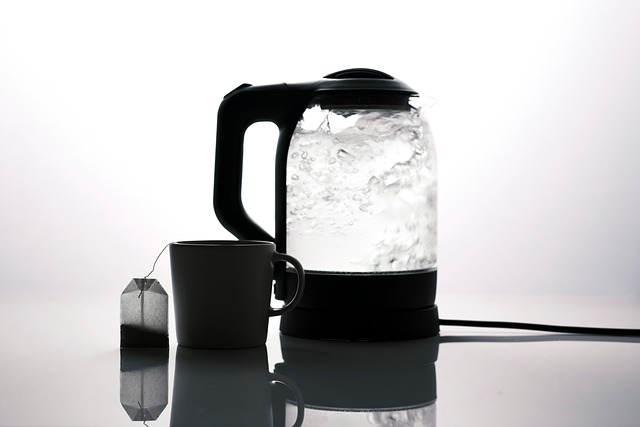
Heat pumps represent a compelling alternative to traditional heating systems, offering significant energy efficiency gains compared to tankless water heaters like those commonly found in Albany. Unlike conventional furnaces that burn fuel to generate heat, heat pumps extract warmth from the surrounding environment, even in cold climates, making them an eco-friendly and cost-effective choice for homeowners. In terms of high-efficiency water heating systems near me, heat pumps stand out as a leading option.
Consider a comparison between heat pumps and solar water heating. While solar panels rely on sunlight for energy, heat pumps can operate efficiently even on cloudy days or during the winter months. This makes them a more consistent and reliable solution for year-round comfort. For instance, in a recent study, homes equipped with heat pump systems saved an average of 30% on their heating bills compared to those using electric resistance heaters. When looking at green building water heating solutions Albany, heat pumps often top the list due to their ability to reduce carbon emissions and lower energy consumption.
Implementing a heat pump system is not merely about cost savings; it’s an investment in long-term sustainability. By transitioning from tankless water heaters to heat pumps, homeowners can contribute to environmental preservation while enjoying consistent comfort. Moreover, advancements in technology have made heat pumps more accessible and affordable than ever before. As the demand for green building solutions grows, so does the availability of incentives and rebates designed to encourage the adoption of high-efficiency water heating systems like heat pumps.
Tankless Water Heater vs Heat Pump: Albany's Energy Comparison

In the quest for energy efficiency and cost savings, homeowners in Albany are increasingly exploring smart thermostats and heat pumps as viable alternatives to conventional systems. Among these options, the choice between a tankless water heater vs heat pump is particularly significant. When comparing fuel-efficient water heating alternatives in Albany, it’s crucial to understand the nuances of each system, especially their heat pump efficiency comparison.
Heat pumps stand out for their ability to extract heat from the environment and transfer it indoors, offering both heating and cooling functions. This makes them highly efficient, with some models boasting coefficients of performance (COP) exceeding 3.0. For instance, The Radiant Store, Inc., a trusted source in Albany, promotes heat pumps as an eco-friendly solution that can reduce energy consumption by up to 50% compared to traditional heating and cooling systems. Conversely, tankless water heaters eliminate the need for storage tanks, providing on-demand hot water with significantly lower energy usage than conventional tanks. According to ENERGY STAR estimates, these heaters can save up to 40% in energy costs compared to standard electric water heaters.
However, when comparing heat pump vs tankless water heater Albany residents should consider factors like climate suitability and initial installation costs. Heat pumps perform best in moderate climates, as extreme temperatures can affect their efficiency. Tankless heaters, on the other hand, are more versatile for larger households or areas with high hot water demand. To make an informed decision, homeowners should analyze their specific needs and consult experts like The Radiant Store, Inc. for personalized advice. By understanding these options and their efficiencies, Albany residents can contribute to a more sustainable future while enjoying cost-effective comfort in their homes.
Benefits of Heat Pumps in Residential Spaces: Comfort and Cost Savings

In residential settings, heat pumps offer a highly efficient and eco-friendly alternative to traditional heating systems, including tankless water heaters like those commonly considered in Albany. Unlike tankless water heaters, which only heat water on demand, heat pumps extract warmth from the surrounding environment—even cold air—and transfer it indoors. This process significantly reduces energy consumption compared to conventional methods, making heat pumps an attractive option for cost-conscious and environmentally aware homeowners in Albany. For instance, a study by the U.S. Department of Energy found that heat pumps can save up to 40% on heating bills compared to electric resistance heaters.
One of the key benefits of heat pumps is their versatility, as they can also provide cooling during warmer months, eliminating the need for separate air conditioning systems. This two-in-one functionality not only streamlines home comfort but also contributes to overall cost savings. When comparing heat pumps to solar water heating, while solar energy has its advantages in specific conditions, heat pumps generally offer more consistent performance across a wider range of climates and seasonal variations in Albany. A heat pump vs solar water heating comparison chart would reveal that, on average, heat pumps have higher efficiency ratings, especially in lower-sunlight areas, making them a reliable choice for year-round comfort.
When sizing a tankless water heater for a family home in Albany, it’s crucial to balance energy efficiency with hot water demand. However, heat pumps can adapt more dynamically to changing temperatures and usage patterns, further enhancing cost savings. For example, a well-sized heat pump can provide adequate heating and cooling while minimizing energy wastage, unlike tankless water heaters that maintain a constant high temperature, leading to potential inefficiencies. Heat pump efficiency comparisons show that modern models can achieve Coefficients of Performance (COPs) ranging from 3 to 4, indicating three to four units of heat output for every unit of electricity consumed. This is significantly higher than typical tankless water heaters, making heat pumps a game-changer in residential energy management and cost savings.
Installing and Maintaining: A Guide to Heat Pump Success
Installing and maintaining a heat pump system is a key consideration when seeking sustainable hot water solutions for your Albany home, especially when comparing it to traditional tank-based systems like tankless water heaters. Heat pumps offer an efficient and environmentally friendly alternative, extracting heat from the outdoor air (or ground) to provide heating and cooling. This process provides significant energy savings compared to conventional water heating methods, making it a popular choice for those looking to reduce their carbon footprint in the Albany area.
When selecting a heat pump vs. tankless water heater, several factors come into play. For instance, sizing is crucial; appropriately sizing a tankless water heater for a family home in Albany ensures optimal efficiency without over- or under-provisioning hot water. Local climate conditions influence the choice, with heat pumps often more effective in milder temperatures, while tankless heaters might be preferable for areas experiencing extreme weather fluctuations. Additionally, initial installation costs can vary; heat pumps may have higher upfront expenses but offer long-term savings due to their energy efficiency, whereas tankless heaters are generally more cost-effective at the beginning.
Regular maintenance is vital for both systems. Heat pump owners should focus on seasonal servicing to ensure optimal performance and longevity. This includes checking for leaks, cleaning coils, and verifying refrigerant levels. Tankless water heaters also require periodic attention, such as flushing and inspecting connections, especially in hard water areas. Proper sizing and regular care ensure these efficient hot water solutions provide consistent performance, offering a reliable supply of hot water without the need for bulky storage tanks or constant reheating. For Albany residents seeking sustainable alternatives, understanding these considerations is essential to making an informed decision.
After exploring smart thermostats, heat pumps, and their comparison to tankless water heaters in Albany, several key insights emerge. Smart thermostats offer significant energy efficiency improvements through precise temperature control and learning behaviors, resulting in reduced utility costs. Heat pumps provide an efficient heating alternative, offering both warmth and cooling capabilities with lower environmental impact than traditional systems. In the Albany context, a heat pump outperformed tankless water heaters in terms of overall energy efficiency and cost savings over time. The article’s practical guidance on installation and maintenance underscores the importance of expert handling for optimal performance. Homeowners and professionals alike can leverage these insights to make informed decisions, enhancing comfort while reducing energy expenditures in residential spaces.